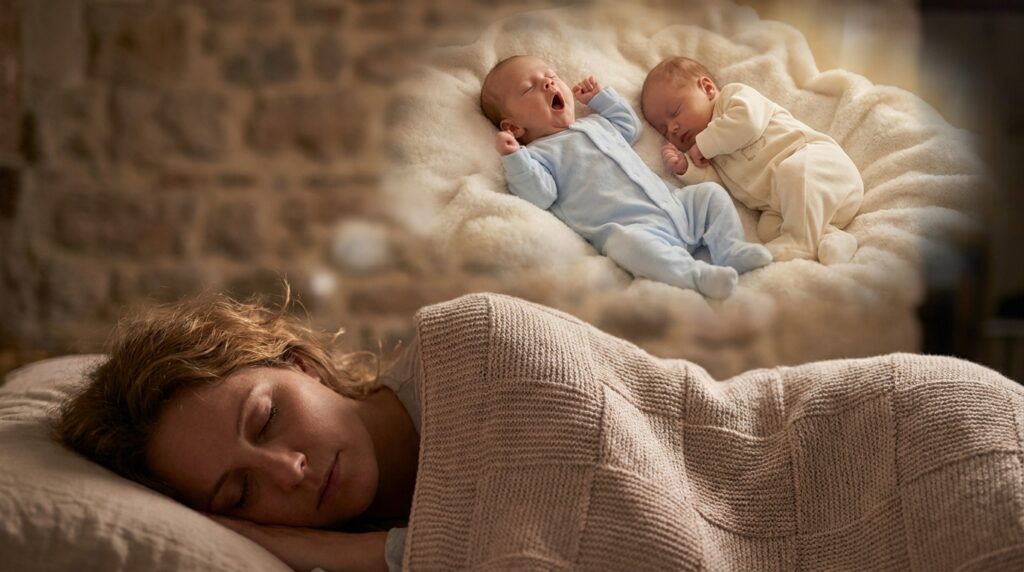
Dreams about babies often leave behind a strong emotional impression because they touch something deeply human. A baby in a dream can feel joyful, tender, stressful, mysterious, overwhelming, or even frightening depending on the situation. For some people, the dream brings warmth and hope. For others, it stirs anxiety, responsibility, vulnerability, or a sense that something fragile needs care. That emotional range makes sense because babies in dreams rarely symbolize only literal children. More often, they represent new beginnings, emotional sensitivity, potential, innocence, dependency, healing, or a part of life that is still developing. When babies appear in dreams, the deeper meaning usually has less to do with prediction and more to do with what is beginning, what needs protection, and what in your life feels small but important.
Quick Answer
The Dream About Babies meaning usually relates to new beginnings, emotional vulnerability, growth, nurturing energy, innocence, and the early stage of something important in your life. Depending on the dream’s tone, babies can symbolize a new idea, a relationship, personal healing, responsibility, hope, or a sensitive part of yourself that needs care and patience. In some cases, the dream reflects literal thoughts about parenting or family, but in many cases it points more symbolically to potential, dependence, and the need to protect something that has not fully matured yet.
Core Symbolism of Babies in Dreams
Babies in dreams usually symbolize beginnings. They represent life in its earliest and most vulnerable form. Unlike symbols of strength, control, or completion, babies speak to what is new, dependent, and still forming. This is why dreams about babies often appear during transitions, emotional awakenings, new responsibilities, or the start of something that matters deeply to the dreamer.
At the subconscious level, a baby may symbolize a part of yourself that is still developing. This could be a new emotional capacity, a creative idea, a healing process, a relationship, or a more innocent and tender side of your personality. The baby is not yet fully stable or self-sufficient, which often means the dream is showing you something that requires attention, care, patience, and consistency.
The symbol can also represent hope. A baby points toward the future, but not in a grand or finished way. It points to what is possible. The dream may appear when something meaningful has recently begun or when your inner world is trying to remind you that fragile beginnings still deserve respect. A small start can carry a large future.
Babies also naturally connect with innocence, purity, openness, and emotional truth. They cannot pretend, perform, or hide. In dream language, that can mean the baby symbolizes feelings that are honest but unprotected. You may be more emotionally exposed than usual, or you may be reconnecting with a more genuine part of yourself.
This symbolism overlaps naturally with the broader meanings found in Dream About Baby, though dreaming about babies in the plural can intensify the message. Instead of one beginning, the dream may suggest multiple new demands, multiple emotional needs, or a life season filled with growth, responsibility, and sensitivity all at once.
From an archetypal perspective, the baby often symbolizes the emerging self, new psychic life, or the birth of transformation. Jung might have seen the baby as an image of future becoming, something small now that holds the seed of a fuller identity later. Freud may have looked toward desire, dependence, family longing, or emotional regression. In practical dream reading, the most useful question is often this: what in your life feels new, tender, unfinished, or in need of protection right now?
The answer may involve literal family questions, but it may also involve work, creativity, healing, or inner life. The baby symbol is powerful precisely because it can hold both personal and universal meaning at the same time.
Spiritual Meaning of Dreaming About Babies
Spiritually, babies in dreams often symbolize renewal, innocence, divine timing, and the arrival of something that is still pure in its early form. A baby may appear when your life is entering a fresh chapter, when healing is beginning quietly, or when your inner world is becoming more sensitive and receptive.
Because babies represent life at its earliest stage, they often carry spiritual themes of trust, humility, and possibility. They can symbolize a blessing that has not fully unfolded yet, or an invitation to become gentler with yourself while something important develops. Spiritually, not everything powerful arrives fully formed. Some things first appear as something tiny, vulnerable, and easy to overlook.
This dream may also reflect emotional rebirth. You may be recovering from pain, rediscovering tenderness, or entering a softer relationship with your own feelings. In that sense, dreaming about babies can symbolize the return of inner life after a period of numbness, stress, or hardness.
For some dreamers, babies in dreams also represent a call to nurture rather than control. You may be learning that growth requires patience. Something in your life may need presence more than force. That lesson becomes especially meaningful when the dream feels calm, loving, or deeply moving.
This spiritual layer often overlaps with the life-creating symbolism found in Dream About Birth, especially when the baby dream carries a feeling of emergence, hope, or emotional beginning. The message is often less about prediction and more about protecting what is becoming real within you.
A Related Bible Verse
A fitting Bible verse for this dream is Psalm 127:3, which says that children are a heritage from the Lord.
This verse connects naturally with dreams about babies because it honors new life as something meaningful, entrusted, and worthy of care. Read reflectively rather than preachily, it supports the idea that baby dreams often symbolize something precious that has entered your emotional or spiritual life. The dream may be asking you to notice the value of what feels small, tender, or newly given.
Psychological Interpretation
Psychologically, dreaming about babies often reflects vulnerability, responsibility, and emotional emergence. The baby can symbolize something that has recently come into awareness but is not yet strong enough to take care of itself. That may include a new hope, an emotional need, a healing process, or an identity shift that still feels delicate.
One common interpretation is that the dream reflects a new beginning in your waking life. You may be starting a relationship, a career direction, a creative project, or an inner healing process. The baby then becomes an image of this beginning in its earliest stage. The dream may be telling you that the process matters, even if it still feels uncertain or small.
Another interpretation involves emotional need. Babies depend on care, and in dreams that can symbolize the part of you that feels needy, tender, or undernourished. If you have been overwhelmed, lonely, or deprived of emotional support, the dream may bring forward the baby symbol to show how much your inner world is asking to be held rather than pushed aside.
That is why these dreams often resonate with the emotional and relational territory of Dream About Mother. Even when the dream does not include a mother figure directly, the baby symbol frequently calls up themes of nurture, attachment, protection, and care. The question may not only be what the baby means, but who is caring for it and how.
The emotions in the dream matter a great deal. Joy may suggest hope and readiness. Anxiety may reflect fear of responsibility or not feeling prepared for what is beginning. Sadness may reveal longing, loss, or unmet needs. Tenderness may indicate healing. Panic may suggest that you feel something important is too fragile for the pressures around it.
The condition of the babies also changes the meaning. Healthy, calm babies often symbolize hopeful potential or emotional renewal. Crying babies may point to neglected needs, stress, or an issue that requires urgent attention. Sick or lost babies can symbolize fear that something new will not survive without proper care. Many babies may indicate abundance, overwhelm, or several new demands arriving at once.
If the dream draws attention to babies rather than a single baby, that plurality often matters. It can suggest multiplied responsibility, emotional busyness, or a season in which several parts of life are beginning or demanding care all at once. The dream may be less about one isolated issue and more about the whole atmosphere of your life becoming more sensitive and demanding.
Common Dream Scenarios About Babies
Dream of holding a baby
Holding a baby often symbolizes emotional connection, responsibility, and the willingness to care for something tender. This dream can be positive, especially if you feel calm and loving, because it suggests that you are engaging directly with what needs care. If you feel anxious, the dream may reveal fear that you are not fully ready for what depends on you.
Dream of many babies
Seeing many babies in a dream may symbolize multiple opportunities, multiple emotional demands, or a season of life filled with new beginnings. This can feel joyful or overwhelming depending on the tone of the dream. The image often suggests that your life is holding more than one sensitive issue at the same time.
Dream of a crying baby
A crying baby usually symbolizes a need that is not being met. This may be your own emotional need, a relationship issue, a project needing attention, or a neglected part of your inner life asking to be noticed. The crying introduces urgency. Something small but important cannot be ignored much longer.
Dream of losing a baby
Losing a baby in a dream can feel frightening because it often symbolizes fear of failing to protect something valuable. You may worry about losing a new opportunity, mishandling a relationship, or not being able to care properly for something fragile in your life. This dream usually reflects anxiety rather than literal prediction.
Dream of giving birth to babies
If the dream includes the act of giving birth, the symbolism often centers on emergence and transition. Something is not only developing. It is arriving. This scenario frequently connects with Dream About Pregnancy, especially when the emotional focus is on expectation, readiness, or the movement from hidden growth into visible reality.
Dream of newborn babies
Newborn babies in dreams often intensify the symbolism of beginnings. The image suggests that whatever is emerging is extremely early, vulnerable, and dependent. This type of dream resonates closely with Dream About Newborn, especially when the dream feels especially tender, uncertain, or full of awe.
Dream of caring for someone else’s baby
This scenario often suggests that you are emotionally involved with something that does not fully belong to you, or that you are helping support another person’s growth, healing, or responsibility. It can also reflect emotional labor, caretaking, or the tendency to nurture others while neglecting yourself.
Dream of babies playing with baby animals
This dream often carries a gentle emotional tone. It may symbolize innocence, playfulness, softness, and the need to protect what is pure and vulnerable. Symbolically, this image can overlap with Dream About Baby Animals, where tenderness and emerging life are both central. The scene may reflect healing, family warmth, or the return of trust and gentleness in your emotional life.
How This Dream Connects to Your Real Life
Love and Relationships
In relationships, babies often symbolize emotional vulnerability, the desire to nurture or be nurtured, and the early stage of trust. If you are entering a new relationship, the dream may reflect the fragile beginning of emotional intimacy. If you are already in a relationship, it may symbolize the need to care more intentionally for the bond rather than taking it for granted. Sometimes the dream shows that love feels protective and hopeful. At other times, it reveals that one or both people feel emotionally needy or unsteady.
Career and Money
In work and money matters, dreaming about babies may symbolize a new project, a fresh opportunity, or an idea that still needs time and protection before it can grow. You may be at the beginning of something promising but not yet stable. The dream can be encouraging, but it also asks for realism. New things need patience, structure, and consistent care before they become reliable.
Personal Growth
This is often one of the strongest areas for a baby dream. Babies can symbolize your own emotional rebirth, self-discovery, healing, or a softer side of yourself returning after a difficult period. The dream may be showing that you are not finished becoming who you are. Something important is still growing, and it deserves gentleness rather than harsh judgment.
Health and Emotional State
Emotionally, this dream can reflect sensitivity, exhaustion, hope, stress, and the need for rest or care. If the babies in the dream seem demanding, the dream may be showing how much emotional responsibility you are carrying. If the dream feels loving and calm, it may reflect healing, reassurance, or the return of emotional life after numbness. In a broader relational sense, the baby symbol can also connect with Dream About Family, especially when the dream evokes belonging, care, generational ties, or the emotional structure of home.
Is Dreaming About Babies a Positive or Warning Sign?
Dreaming about babies is often positive, but the symbol is not simple enough to be reduced to good luck alone. Babies usually represent something precious, new, and meaningful, which is positive in itself. At the same time, they also symbolize responsibility, sensitivity, and the possibility that something fragile could be mishandled if it is neglected.
The dream may be positive when the babies appear healthy, peaceful, loved, or safe. In that case, the dream can symbolize hope, renewal, emotional growth, love, healing, or meaningful new beginnings. It may show that something beautiful is emerging in your life.
The dream may function as a warning sign when the babies are lost, crying, sick, forgotten, or in danger. Then the dream may be drawing attention to what needs care. The warning is usually symbolic, not prophetic. It may suggest neglected needs, emotional exhaustion, fear of failure, or the risk of not protecting what matters most.
In many cases, however, the dream is best understood as a reminder. Something in your life is still young. Treat it with patience. Protect it. Do not demand full maturity from what has only just begun.
Case Studies
The woman who dreamed of carrying two babies through a crowded station
A woman in her early thirties dreamed that she was carrying two babies through a crowded train station, trying not to lose either of them. She felt loving but very stressed. In waking life, she had recently started a new job while also beginning a serious relationship. The dream reflected the fact that two meaningful parts of her life were in early stages at once. The babies symbolized promise, but also the pressure of trying to care for both beginnings well.
The man who heard a baby crying in the next room
A man dreamed he heard a baby crying in another room but kept delaying going to check on it. He woke feeling guilty. In waking life, he had been ignoring his own emotional exhaustion while focusing entirely on work. The crying baby symbolized a neglected inner need. The dream did not accuse him of selfishness. It showed that a tender part of him needed attention before it became harder to ignore.
The student who found a newborn wrapped in a blanket
A university student dreamed she found a newborn baby wrapped in a blanket outside her apartment door. She felt shocked, protective, and unsure what to do next. At the time, she had just discovered a strong new creative interest that felt exciting but also vulnerable to criticism. The newborn symbolized a fresh part of herself she had not fully recognized before. The dream suggested that the new interest needed protection while it was still fragile.
The mother who dreamed of many smiling babies in her house
A mother of three dreamed that many smiling babies filled her house, crawling and laughing everywhere. The dream felt joyful but chaotic. In waking life, she had recently begun several new projects after a long period of emotional stagnation. The many babies represented abundance and aliveness returning to her life, but also the fact that new growth was arriving in many forms at once. The dream honored both the joy and the overwhelm.
The woman who lost the baby and then found it asleep safely
A woman dreamed she lost track of a baby she was supposed to be caring for and panicked, only to later find the baby asleep safely in another room. In waking life, she had been afraid that a healing process she started in therapy was not working fast enough. The dream reflected her fear of failing something tender inside herself, but the ending suggested reassurance. Growth was still happening, even when she could not constantly see it.
Dream Numbers
In some folk traditions, dreams about babies are loosely associated with numbers linked to beginnings, tenderness, and growth, such as 1, 3, 6, or 9. These associations vary by culture and are best treated as symbolic folklore rather than dependable guidance.
Lucky Lottery Meaning
Some cultural traditions connect baby dreams with lucky number symbolism, especially when the dream feels joyful or vivid. Still, this should be understood only as folk belief. A dream about babies is usually far more meaningful as a reflection of new beginnings, emotional need, nurture, and potential than as any reliable sign of luck.
FAQ
What does it mean spiritually to dream about babies?
Spiritually, dreaming about babies often symbolizes renewal, innocence, emotional rebirth, and the beginning of something meaningful that needs care, patience, and protection.
Is dreaming about babies a good sign?
Often yes. Babies usually symbolize hope, growth, and new possibilities. Still, the dream can also highlight responsibility and vulnerability, especially if the babies seem distressed or neglected.
Why do I keep dreaming about babies?
Recurring dreams about babies often suggest that a new beginning, emotional need, or fragile part of your life is asking for repeated attention. The repetition usually means the theme is still active and important.
What does it mean if the babies are crying in my dream?
Crying babies often symbolize unmet needs, neglected emotions, or an issue in your life that requires care and cannot be ignored for much longer.
Does dreaming about babies mean someone will get pregnant?
Not necessarily. While the dream can sometimes reflect thoughts about children or family, it is often symbolic of growth, new beginnings, emotional sensitivity, or something in your life that is still in an early stage of development.
Conclusion
Dreaming about babies often brings attention to what is new, tender, hopeful, and still becoming. The dream may symbolize emotional vulnerability, fresh opportunity, healing, responsibility, or the early life of something deeply important. Sometimes it relates to literal family concerns, but often it speaks more broadly to what needs care and patience in your inner or outer life. The most helpful response is not to force a fixed prediction, but to ask what in your life feels small, precious, and unfinished right now. That is often where the dream’s real meaning begins.