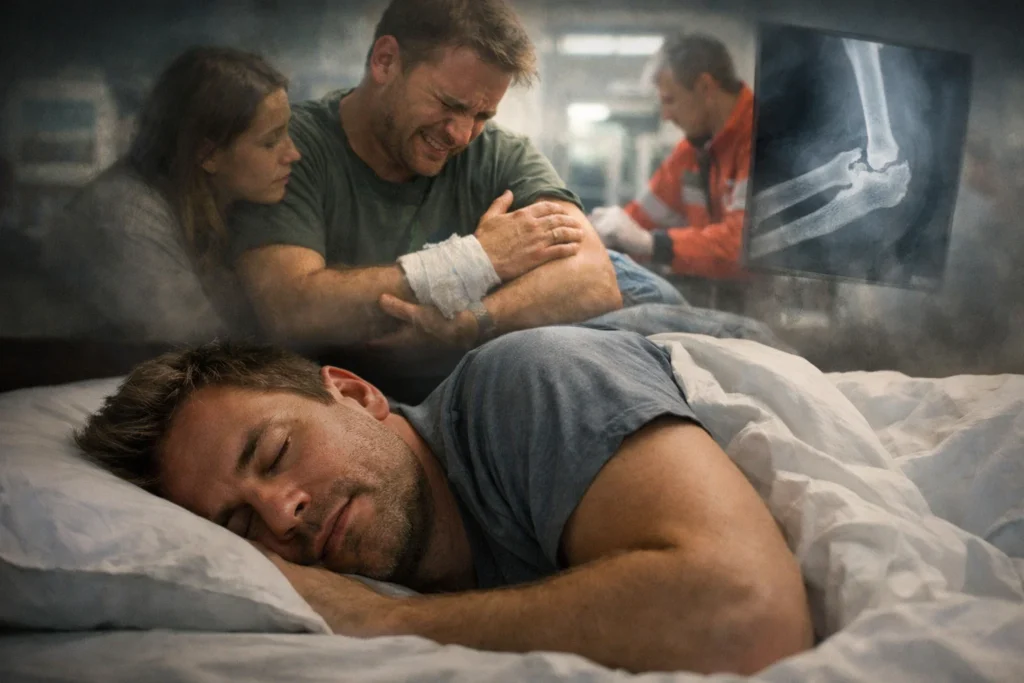
Dreaming about a broken arm can feel surprisingly intense because the arm is such an important part of how we move through life, protect ourselves, work, carry burdens, and reach for what we want. When an arm is broken in a dream, the image often brings up feelings of frustration, helplessness, pain, vulnerability, or forced limitation. You may wake up wondering whether the dream is a warning, a reflection of stress, or a symbol of emotional injury rather than physical harm. In many cases, this dream is not about literal danger. It more often points to feeling restricted, weakened, overburdened, emotionally hurt, or unable to act freely in some area of life.
Quick Answer
The Dream About Broken Arm meaning usually relates to weakness, limitation, emotional pain, interrupted progress, or the feeling that you cannot fully do what you want or need to do. Because the arm symbolizes action, strength, protection, productivity, and connection with the outer world, a broken arm in a dream often suggests that something in your life feels blocked, strained, injured, or temporarily out of balance. This may connect to emotional exhaustion, a recent setback, relationship stress, work pressure, healing after a difficult experience, or fear of losing control. The exact meaning depends on which arm is broken, how the injury happened, and whether the dream feels frightening, painful, or focused on recovery.
Core Symbolism of Broken Arm in Dreams
The arm is a powerful symbol in dreams because it is closely linked to ability, agency, effort, and protection. We use our arms to carry, hold, build, reach, defend, comfort, and express ourselves physically. When the arm is broken, the dream often shows that the dreamer feels unable to perform one of these functions fully. Something may be interfering with action, confidence, independence, or emotional resilience.
At the symbolic level, a broken arm can represent reduced power. You may feel that your strength has been compromised or that you cannot handle responsibilities the way you normally do. It can also symbolize interruption. Perhaps something important in your life has been paused by stress, disappointment, illness, conflict, or emotional overload. The image of a break suggests not just pain but a disruption in normal flow.
In some cases, the dream may point to the burden of carrying too much. Arms are associated with supporting weight, both literally and metaphorically. If you have been taking care of others, managing many demands, or forcing yourself to remain strong without enough rest, a broken arm may symbolize the moment your inner world says, “This is too much.” The dream can reflect physical exhaustion, emotional burnout, or the need to stop pushing so hard.
Jungian psychology might interpret the arm as part of the self that reaches into the world and interacts with life directly. A broken arm, then, can symbolize a wounded capacity to act with confidence or integrate inner strength into outer life. Freud might approach the dream more through repression, frustration, and the expression of stress or conflict through bodily imagery. Modern dream psychology often sees body injury dreams as reflections of vulnerability, stress, powerlessness, or emotional strain that the mind turns into visible physical form.
Culturally, broken limbs are often associated with dependency, recovery, and temporary weakness. That cultural symbolism influences dreams too. A broken arm is usually not seen as the end of something forever. It is often painful, inconvenient, and limiting, but also recoverable. This is an important part of the symbol. The dream may be showing you that you are hurt or blocked, but not beyond healing.
This dream can overlap with broader body injury themes found in Dream About Injury, especially when the emotional focus is on vulnerability, harm, or a sense that something inside you has been affected by pressure.
The broken arm can also symbolize pride being interrupted. People who strongly identify with competence, independence, or being the one others rely on may have this dream when they are being forced to slow down, ask for help, or accept limitations they do not like.
Spiritual Meaning of Dreaming About a Broken Arm
Spiritually, dreaming about a broken arm can symbolize a season of forced stillness, humble reassessment, or healing through limitation. Sometimes people only slow down when life makes them slow down. In that sense, the dream may reflect the soul’s need to pause, repair, and realign rather than continue operating under pressure.
The arm is often associated with outward action, doing, striving, helping, and holding things together. When that arm is broken in a dream, the spiritual message may be that action without balance has gone too far. You may need rest, surrender, patience, or a softer relationship with your own limitations. The dream does not have to be read in a mystical or dramatic way. It can simply suggest that your inner life is asking for recovery instead of relentless effort.
In some cases, a broken arm may symbolize healing through vulnerability. Many people grow spiritually not when they feel strongest, but when they are forced to admit pain, weakness, or need. The dream may be reminding you that being temporarily limited does not make you worthless. It may actually bring you closer to emotional truth, humility, and a deeper form of strength.
If the dream includes medical care, bandaging, or a cast, it can suggest that healing is already underway even if life still feels difficult. If the broken arm appears suddenly without help, the dream may reflect a more urgent need to acknowledge strain before it becomes worse.
This symbolic layer can sometimes connect with Dream About Healing, especially when the dream is less about the break itself and more about the process of recovery, support, and emotional renewal.
A balanced spiritual reading does not treat the dream as a prophecy of injury. Instead, it sees the symbol as a reflection of where strength, patience, and restoration are needed in your life right now.
A Related Bible Verse
A fitting verse for this dream is Isaiah 40:29: “He giveth power to the faint; and to them that have no might he increaseth strength.”
This verse connects naturally to the image of a broken arm because the dream often appears during seasons when you feel worn down, weakened, or unable to keep carrying everything alone. The broken arm symbolizes reduced strength, but the verse offers a gentle reminder that weakness is not the end of the story. There can still be renewal, support, and restoration.
Rather than turning the dream into a dramatic spiritual sign, this verse encourages a grounded reflection: times of limitation can also be times when strength returns in a different, quieter form.
Psychological Interpretation
Psychologically, dreaming about a broken arm often points to stress, frustration, vulnerability, or the feeling that your ability to function effectively has been disrupted. The body in dreams frequently expresses emotional truths through physical images. A broken arm can represent an injured sense of competence, blocked effort, or emotional pain that has not been fully acknowledged in waking life.
One common meaning is helplessness. If you are used to being capable, reliable, or productive, this dream may appear when life circumstances make you feel less in control than usual. You may be facing a setback, disappointment, or situation where you cannot fix things quickly. The dream turns that inner experience into the visible image of an arm that cannot work properly.
Another possible meaning is overload. If you are carrying too much responsibility, trying to support others, or refusing to rest, the dream may symbolize the fear that you are near your breaking point. The subconscious can use injury images to show the cost of pressure before you fully admit it to yourself.
This dream may also relate to emotional hurt. The word “broken” matters. Sometimes the arm is not just a symbol of function but of emotional impact. You may feel hurt by rejection, betrayal, criticism, or failure. The dream may be showing how deeply that experience affected your ability to act confidently.
The dream’s emotional tone adds more detail:
If you feel panic, the dream may reflect fear of losing control.
If you feel pain, it may point to emotional suffering that is active right now.
If you feel embarrassment, you may be struggling with pride or shame around needing help.
If you feel calm, the dream may suggest that you already know healing is needed.
If you feel frustration, the dream may reflect blocked goals or interrupted plans.
If you feel relief while receiving treatment, your mind may be recognizing that support is available.
Sometimes the dream is connected to bodily awareness too. Stress, muscle tension, fatigue, or recent thoughts about health can influence the content. But even then, the symbolic layer often remains important. A dream of physical breakage often reflects emotional strain that has become difficult to ignore.
This meaning may also overlap with Dream About Broken Bone, especially when the dream emphasizes fracture, fragility, damage, or a disrupted inner structure rather than only the arm itself.
Common Dream Scenarios About Broken Arm
Dream of your arm suddenly breaking
If your arm breaks suddenly in the dream, this often symbolizes an unexpected setback or emotional shock. Something in waking life may have changed abruptly, leaving you feeling unable to respond effectively. This could relate to work stress, relationship conflict, financial pressure, or a disappointment you did not see coming.
The suddenness matters. It suggests the disruption feels immediate and destabilizing. You may be someone who normally keeps going no matter what, but the dream shows that something inside you has reached a limit.
Dream of falling and breaking your arm
This scenario often points to fear of failure, loss of balance, or a situation where one mistake feels costly. Falling in dreams commonly symbolizes insecurity, instability, or feeling unsupported. When the fall leads to a broken arm, it suggests that a loss of balance has affected your confidence or your ability to act.
If the fall happens in public, the dream may also include anxiety about judgment, embarrassment, or appearing weak in front of others. This theme can connect with Dream About Accident, especially when the dream centers on sudden harm, disruption, and the emotional shock of losing control.
Dream of seeing someone else with a broken arm
If another person has the broken arm, the dream may reflect concern about their weakness, your perception that they are struggling, or a part of yourself projected onto them. Sometimes another injured person in a dream symbolizes the emotional side of you that feels hurt but is easier to recognize when placed outside yourself.
If you are trying to help them, the dream may show your caring nature or your tendency to carry others when you are also tired. If you ignore them, it may suggest emotional distance, avoidance, or difficulty responding to vulnerability.
Dream of wearing a cast on a broken arm
A cast is a strong symbol of protection, recovery, and temporary limitation. This scenario often suggests that healing is in progress, even if life still feels inconvenient or restrictive. You may already know that something in your life needs time to mend. The cast shows that repair requires patience, structure, and acceptance.
This scenario can also reflect a need for boundaries. Just as a cast protects an injured arm from further harm, you may need to protect your emotional energy, reduce your workload, or step back from situations that keep aggravating old wounds.
Dream of being unable to move your broken arm
This dream often reflects powerlessness, frustration, or emotional paralysis. There may be something you want to say, fix, or pursue, but you do not feel capable of acting right now. The arm’s inability to move symbolizes blocked effort.
If the dream leaves you feeling trapped, it may show that your current life situation feels restrictive. If you are angry in the dream, it may reflect resistance to dependency or limitations you did not choose.
Dream of going to the hospital for a broken arm
Going to the hospital suggests recognition that help is needed. This is often a healthier version of the dream because it shows movement toward care, treatment, and support. The dream may be telling you that ignoring the problem is no longer working and that healing requires attention.
This naturally links with Dream About Hospital, especially when the dream focuses on recovery, professional help, vulnerability, or the process of being looked after during a difficult time.
Dream of severe pain in a broken arm
Pain intensifies the message. If the arm hurts badly in the dream, your subconscious may be highlighting emotional suffering that is still active. You may be trying to function normally while carrying unspoken hurt, resentment, pressure, or exhaustion.
This emotional layer can be explored further through Dream About Pain, where the dream body often mirrors the depth of what the heart or mind is experiencing.
How This Dream Connects to Your Real Life
Love and Relationships
In relationships, a broken arm dream may reflect feeling emotionally unsupported, hurt, or unable to “reach” your partner the way you want to. Because the arm symbolizes connection and holding, the injury may suggest strain in intimacy, difficulty giving or receiving affection, or the emotional fatigue of carrying too much in a relationship.
If you are always the one supporting others, the dream may show your hidden exhaustion. If you feel let down by someone close, the broken arm may symbolize the loss of trust or confidence that followed. Sometimes the dream is a sign that love needs gentleness, repair, and honest communication rather than more effort alone.
Career and Money
This dream can strongly connect to work because the arm is closely tied to action, labor, productivity, and capability. A broken arm may reflect feeling blocked in your career, frustrated by delays, or weakened by workplace stress. It may appear when you feel that you cannot perform at your normal level or when outside pressures are interfering with progress.
Financially, the dream may reflect insecurity caused by interruption. You may fear losing stability, falling behind, or not being able to carry a burden that feels heavy. The image does not necessarily predict loss, but it can reveal how pressured and vulnerable you feel.
Personal Growth
On the level of personal growth, a broken arm dream may mark the painful but important realization that strength has limits. Sometimes growth begins when old ways of coping stop working. If you have always relied on self-control, over-functioning, or pushing through pain, the dream may be inviting you to discover a healthier form of resilience.
This dream can also symbolize a healing phase in which identity is being rebuilt. The break represents disruption, but recovery represents transformation. You may be learning to ask for help, slow down, set boundaries, or define your worth beyond constant productivity.
Because the dream focuses on the body, it can also connect with themes in Dream About Body, where physical symbols often reveal how the self is carrying emotional truth.
Health and Emotional State
This dream often appears when your emotional and physical systems are under stress. Burnout, anxiety, fatigue, grief, and ongoing tension can all contribute to body injury dreams. A broken arm may symbolize the sense that you cannot keep holding everything together the way you have been.
If you wake up feeling heavy or disturbed, take that seriously as emotional information. You may need more rest, more support, or more honesty with yourself about what is hurting. If the dream includes treatment or healing, it may show that recovery is already beginning, even if slowly.
In some cases, the dream may also reflect the emotional meaning of Dream About Weakness, especially if the deeper issue is not injury alone but fear of dependency, vulnerability, or not being strong enough.
Is Dreaming About Broken Arm a Positive or Warning Sign?
This dream can function as both a warning sign and a hopeful sign of healing, depending on the details.
As a warning sign, a broken arm dream may suggest that you are pushing too hard, carrying too much, or ignoring emotional pain that needs attention. It may be telling you that your current approach is unsustainable. The dream can serve as a psychological signal that stress, hurt, or limitation is affecting you more deeply than you admit in waking life.
As a positive sign, the dream may be showing an honest recognition of vulnerability, which is often the first step toward healing. If the dream includes treatment, a cast, rest, or support, it may suggest that recovery is possible and already underway. Being forced to slow down is not always punishment. Sometimes it is protection.
In other cases, the dream simply reflects temporary frustration, fear, or subconscious processing after a stressful period. It is best understood as a symbolic message rather than a fixed prediction.
Case Studies
Case Study 1
A woman dreamed that her right arm broke while she was trying to carry too many bags at once. In waking life, she was taking care of her children, managing work deadlines, and supporting a sick parent. The dream clearly reflected overload. She later realized that her constant self-reliance had left no room for rest.
Case Study 2
A man dreamed that he fell at work and broke his arm in front of coworkers. He felt intense embarrassment in the dream. In reality, he had recently made a mistake on an important project and feared being judged as incompetent. The dream symbolized damaged confidence more than literal injury.
Case Study 3
A college student dreamed of wearing a cast on her arm and feeling frustrated that she could not do things normally. She was going through a period of anxiety and had been trying to maintain perfect performance despite emotional exhaustion. The dream reflected her need to accept temporary limitation instead of demanding full capacity from herself all the time.
Case Study 4
A woman dreamed of taking her broken arm to the hospital and feeling relieved when doctors began treating it. In waking life, she had recently started therapy after a painful breakup. The dream symbolized that her emotional wound was finally receiving proper care.
Case Study 5
A man dreamed that his deceased brother had a broken arm and needed help. He woke feeling sad and protective. The dream seemed to reflect not only grief but also his own unacknowledged vulnerability. By seeing the injury in someone else, he could finally recognize how hurt and unsupported he himself had been feeling.
Dream Numbers
In symbolic dream traditions, numbers linked to injury and recovery are sometimes interpreted through themes of balance, structure, vulnerability, and healing. Numbers such as 1, 4, 6, and 8 may appear in folklore, with 1 relating to the self, 4 to structure and stability, 6 to care and restoration, and 8 to endurance. These links are cultural associations rather than exact rules.
Lucky Lottery Meaning
Some folk beliefs associate dreams of physical injury with symbolic numbers or ideas about luck, but this should be taken lightly. A dream about a broken arm is usually far more meaningful as an emotional reflection than as any kind of gambling sign. It is best understood through its personal message rather than treated as a promise.
FAQ
What does it mean spiritually to dream about a broken arm?
Spiritually, a broken arm can symbolize a period of forced rest, humble reassessment, or healing through limitation. It may suggest that your inner life needs patience and restoration rather than constant effort.
Why do I keep dreaming about a broken arm?
Repeating dreams may happen when you feel blocked, overburdened, emotionally hurt, or unable to act freely in some area of life. The recurring symbol suggests that the issue still needs attention.
Is dreaming about a broken arm a bad sign?
Not necessarily. It can be a warning that stress or emotional pain needs care, but it can also be part of a healing process. The context and emotional tone of the dream matter a lot.
Does a broken arm dream predict an accident?
Usually no. Most dreams of broken arms are symbolic and reflect emotional vulnerability, frustration, or temporary limitation rather than literal physical events.
What does it mean if I am healing from the broken arm in the dream?
Healing in the dream often suggests that recovery is already happening in waking life. You may be processing pain, learning patience, or moving toward a healthier balance.
Conclusion
Dreaming about a broken arm usually points to some form of weakness, interruption, emotional hurt, or temporary limitation in waking life. Because the arm symbolizes action, support, strength, and the ability to reach outward, its break often reflects the feeling that something important has been strained or blocked. At the same time, this dream is not only about pain. It is also about repair. It may be asking you to notice where you are pushing too hard, where you need support, and where healing deserves more patience. When understood gently, the dream becomes less about fear and more about honest recovery, emotional awareness, and learning that vulnerability can also be part of becoming whole again.