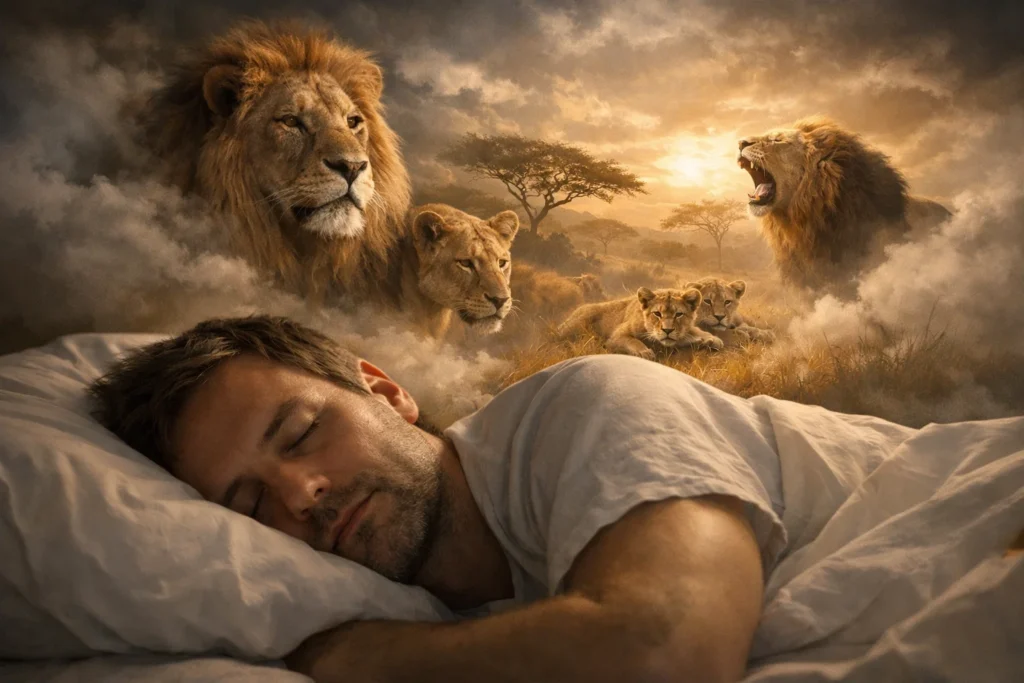
Dreaming about a moose can feel both majestic and unsettling. Even when the animal is calm, its sheer size, quiet presence, and natural power tend to leave a strong impression. A moose in a dream may appear standing still in the woods, crossing a road, watching from a distance, charging unexpectedly, or moving with surprising grace through water or forest. Because moose are not usually seen as everyday symbols, they often feel especially meaningful when they appear in dreams. Their presence can point to strength, independence, instinct, boundaries, and the quiet force of something in your life that is bigger than it first seemed. That is why a dream about a moose often deserves careful attention. It may be showing you a part of yourself or your situation that carries dignity, weight, and power beneath the surface.
Quick Answer
Dream About Moose meaning usually relates to strength, independence, grounded power, instinctive protection, emotional reserve, or a life situation that requires you to stand your ground with more calm authority. This dream can appear when you are dealing with pressure, boundaries, self-respect, personal responsibility, or the need to move through life with quiet confidence instead of forceful aggression. Depending on the context, dreaming about a moose may symbolize resilience, hidden emotional intensity, territorial instincts, masculine or protective energy, solitude, natural leadership, or the need to respect a powerful situation that should not be underestimated.
Core Symbolism of Moose in Dreams
Moose carry a distinctive kind of symbolism because they combine heaviness and grace, calmness and danger, stillness and sudden force. They are not predators, yet they are deeply powerful animals. In dream language, that makes them especially meaningful when the issue is not overt attack but the presence of strength that must be respected.
At a basic level, a moose often symbolizes grounded power. Unlike symbols of quick aggression, the moose represents strength that does not need to prove itself constantly. It can stand still and still dominate the space around it. In waking life, this may reflect a person, situation, or part of yourself that has quiet authority and real weight.
Moose also symbolize boundaries. In nature, they may seem calm until something crosses a line. That symbolic pattern matters in dreams. A moose can reflect your own need to protect space, defend limits, or stop tolerating situations that have become too intrusive. The dream may not be encouraging aggression. It may be highlighting the importance of respectful distance.
Because moose are part of the deer family but much larger and more imposing, they can naturally be compared with the gentler symbolism in Dream About Deer. Deer dreams often lean more toward sensitivity, grace, and vulnerability, while moose dreams usually emphasize size, presence, and a heavier form of instinctive power.
From a Jungian perspective, the moose may represent an archetype of natural authority. It can symbolize the instinctive self that does not rely on social performance but on embodied presence. This may include mature masculinity, quiet protection, deep instinct, or the kind of self-respect that no longer needs constant validation.
Emotionally, moose dreams often arise when you are learning how to carry power without becoming harsh. You may be discovering that gentleness and strength do not cancel each other out. In some cases, the moose symbolizes exactly that union. It suggests a person who can remain calm but should not be ignored.
Culturally, moose are often associated with wilderness, stamina, independence, and untamed space. In dreams, these meanings often translate into themes of self-reliance, emotional distance, natural dignity, and the need to respect forces that do not operate by ordinary social rules.
At a deeper level, moose in dreams connect to themes such as authority, restraint, solitude, instinct, dignity, territorial awareness, emotional depth, and survival through steady presence rather than noisy force. The dream often asks whether you are underestimating your own power, or failing to respect the power of something around you.
Spiritual Meaning of Dreaming About Moose
Spiritually, dreaming about a moose often points to grounded strength and instinctive wisdom. This is not the kind of symbol that usually suggests frantic spiritual messages or extreme interpretation. Instead, the moose often represents a slower, steadier form of knowing. It can symbolize the ability to trust what your body and deeper instincts already understand.
A moose dream may appear when you are being called to become less reactive and more rooted. The spiritual lesson may not be to push harder. It may be to carry yourself with greater seriousness, self-respect, and alignment. The moose does not usually symbolize performance. It symbolizes presence.
Sometimes this dream appears during periods when you need to stop shrinking yourself. You may have been too accommodating, too hesitant, or too willing to let others define the space around you. Spiritually, the moose can represent the return of personal sovereignty. It says that peace is good, but peace without boundaries is not the same as wholeness.
Moose also belong to a natural, wild setting, so they can symbolize reconnection with untamed truth. You may need more time away from noise, more trust in your own instincts, or more willingness to listen beneath social pressure. In that sense, the symbolism can fit naturally within the wider natural dream world explored in Dream About Animals, especially when the dream feels like a call back to more instinctive and embodied living.
In some cases, the moose can also reflect spiritual patience. It is not a symbol of rushing. It often appears when timing, observation, and self-possession matter more than quick action. The lesson may be that you do not need to force what already carries weight.
A helpful spiritual question is this: does the moose in the dream feel like a threat, a guardian, or a mirror? The answer often reveals whether the dream is about fear of power, need for protection, or awakening inner strength.
A Related Bible Verse
A fitting Bible verse for this symbol is Psalm 18:32: “It is God who arms me with strength and keeps my way secure.”
This verse fits moose dreams because these dreams often revolve around power, steadiness, and secure movement through life. In dream interpretation, the verse supports a grounded reading: true strength is not only about force. It is also about steadiness, security, and the ability to stand and move wisely. The moose reflects that kind of strength well.
Psychological Interpretation
Psychologically, dreaming about a moose often reflects your relationship with power, restraint, boundaries, and instinctive self-protection. These dreams commonly appear when something in your life feels heavy, serious, or emotionally larger than you first admitted.
One major psychological meaning of the moose is contained strength. You may have more power than you are expressing, or more anger than you are naming. The dream may present the moose as a symbol of what happens when strong emotion or authority remains mostly quiet but fully present. That does not automatically mean danger. It may mean emotional force that is waiting for the right conditions to move.
Another important layer is intimidation. A moose can appear when something in waking life feels too big to ignore but not easy to understand. This could be a strong personality, a major life responsibility, a family system, or even your own maturity beginning to demand more from you. The dream makes the challenge visible in a form that feels natural but formidable.
When the dream emphasizes antlers, physical force, and unmistakable bodily power, the symbolism can lean toward themes also seen in Dream About Strength, especially when your subconscious is focusing less on threat and more on endurance, grounded capability, and carrying weight with dignity.
From a Jungian angle, the moose may also represent instinctive masculine energy, not necessarily male in a literal sense, but associated with protection, structure, territory, and embodied force. If this energy has been missing or suppressed, the moose may appear as compensation. If it has become too dominant, the moose may appear as a warning about rigidity or emotional distance.
The emotional tone matters a great deal. If the dream feels calm, the moose may symbolize mature strength. If it feels tense, the dream may be showing pressure building under the surface. If it feels frightening, you may be confronting power you do not feel ready to meet, whether in yourself or in someone else.
Moose can also symbolize solitude. They often appear in landscapes that feel spacious and quiet. Psychologically, this can reflect a part of you that needs privacy, distance, or emotional room. In some cases, the dream suggests healthy independence. In others, it suggests withdrawal so strong that connection is becoming difficult.
A useful psychological question is this: what powerful thing in your life has been quiet, but never absent? That is often where the moose dream begins to make sense.

Common Dream Scenarios About Moose
Dream of seeing a moose from a distance
This scenario often suggests awareness of power that has not directly entered your life yet. You may sense something important, heavy, or emotionally significant approaching, but it has not fully confronted you. The distance matters. The dream may be asking you to observe carefully rather than react too quickly.
Dream of a moose standing still and watching you
A still, watchful moose often symbolizes quiet authority. This can reflect a person in your life who holds power without needing to display it, or a part of yourself that is becoming more grounded and self-possessed. The dream may also suggest that you are being asked to slow down and recognize what deserves respect.
Dream of being chased by a moose
Being chased by a moose usually points to pressure connected with boundaries, responsibility, or instinctive force. You may be avoiding a serious issue that has grown too large to keep ignoring. Unlike faster predator dreams, this kind of chase often feels heavy and unstoppable rather than cunning. The message is usually that something substantial needs honest attention.
Dream of a moose attacking you
An attacking moose often symbolizes crossed boundaries, unprocessed anger, or a situation that has become dangerous because warning signs were underestimated. This dream may reflect your own anger finally erupting, or a waking-life force that is usually quiet but now feels actively threatening. The dream often asks where respect, caution, or self-protection is needed.
Dream of a calm moose in the forest
A calm moose in a natural setting often carries a more positive and grounded meaning. It may symbolize alignment with instinct, dignity in solitude, and a form of strength that does not need conflict to prove itself. When the landscape is important, the dream can connect naturally with Dream About Forest, where inner exploration, natural truth, and emotional depth often shape the experience.
Dream of moose antlers
Antlers in dreams often symbolize identity, defense, maturity, or the visible expression of power. Moose antlers can point to the way strength is carried outwardly. You may be becoming more aware of your presence, leadership, or ability to defend what matters. In some cases, antlers also symbolize pride or territorial tension.
Dream of a moose crossing your path
This is often a threshold dream. A moose crossing your path can symbolize a moment when life asks for seriousness, reflection, and a shift in pace. The dream may suggest that a larger force or truth is entering your awareness. Crossing dreams often ask for respect, not haste.
Dream of a moose in water
A moose moving through water can symbolize strength entering emotional territory. You may be learning how to carry power through feelings rather than only through control. This scenario can suggest emotional endurance, deeper instinct, and a surprising ability to stay steady while moving through vulnerability.
How This Dream Connects to Your Real Life
Love and Relationships
In relationships, moose dreams often reflect boundaries, emotional weight, and the need for respectful space. You may be dealing with a connection that feels strong but not always emotionally easy. The moose can symbolize a partner who is quiet but powerful, yourself becoming more protective, or the need to stop letting closeness erase your personal ground.
These dreams can also appear when love requires maturity rather than romance alone. A moose does not usually symbolize flirtation. It symbolizes seriousness, emotional gravity, and the kind of presence that asks for honesty and respect.
In some cases, a moose in relationship dreams can point to a dynamic where one person feels hard to read or emotionally reserved. The dream may not be saying the relationship is bad. It may be showing that calmness is not the same as openness, and that size of presence can shape a relationship even without many words.
Career and Money
In work life, moose dreams often point to responsibility, leadership, and the need to handle serious matters with calm authority. You may be in a position where others look to you more than you realize, or where your choices carry wider consequences than before. The dream may be encouraging steadiness rather than speed.
A moose can also symbolize a major task, obligation, or opportunity that feels large and demanding. The dream may arise when you are facing something that cannot be managed through surface confidence alone. It requires real endurance, patience, and self-respect.
When the symbolism emphasizes stamina, labor, and the embodied weight of movement, it can naturally overlap with Dream About Horses, though horses usually suggest momentum, drive, and partnership with energy, while moose more often symbolize solitary weight, quiet authority, and natural power.
Financially, the dream may suggest the need for caution and serious planning. It can also reflect the psychological weight of providing, protecting, or carrying long-term responsibility.
Personal Growth
This is one of the richest areas for interpreting moose dreams. On a personal level, a moose often symbolizes the part of you that is becoming harder to dismiss. You may be growing into a more mature identity, one that no longer needs constant approval and no longer wants to make itself small.
Personal growth here often means learning how to inhabit strength without becoming rigid, and how to claim space without becoming aggressive. The moose suggests that power does not always look loud. Sometimes it looks like calm presence, selective action, and respect for your own natural rhythm.
The dream may also signal that you are entering a season that asks more from you. You may need to carry more, decide more, or protect more. But it can be an encouraging symbol too, because it implies that you already have the structure to bear that weight.
Health and Emotional State
Emotionally, moose dreams often reflect stored intensity. You may not feel chaotic, but you may be carrying more than others can see. The dream may reveal deep fatigue, unspoken protectiveness, or the pressure of staying composed while dealing with heavy emotions.
At the same time, moose can symbolize resilience. Their presence may show that your system still knows how to stand, move, and protect itself even under strain. If the dream feels spacious and alive rather than threatening, it may be reminding you that strength and freedom can still coexist. In that sense, the symbolism can connect with Dream About Freedom, especially when the moose appears in open land or moves with independent natural authority.
If the emotional tone feels more raw, wild, and survival-based, the moose may also share symbolic ground with Dream About Bears or Dream About Reindeer, though each carries a different emotional quality. Bears often suggest protective force, instinct, and confrontation. Reindeer more often evoke endurance, guidance, and movement through harsh conditions. Moose, by contrast, tend to emphasize weighty presence, territorial dignity, and solitary authority.
Is Dreaming About Moose a Positive or Warning Sign?
Dreaming about a moose can be positive, cautionary, or both at once. In a positive sense, it often reflects maturity, strength, grounded instinct, and the return of self-respect. The dream may show that you are becoming more solid, less easily pushed around, and more capable of carrying serious responsibilities.
As a warning sign, a moose dream may point to underestimated danger, ignored boundaries, suppressed anger, or a life situation that is bigger and heavier than you have wanted to admit. If the moose feels threatening, the dream may be asking you to stop treating a serious matter as though it were small.
The emotional tone is the key. A calm moose usually points toward presence, dignity, and aligned strength. An aggressive moose more often signals pressure, territorial conflict, or the cost of crossing important emotional lines. A distant moose may suggest something significant that you sense but have not yet fully faced.
A useful question is this: does the dream make you feel steadier, or more careful? Either feeling can be meaningful. One may affirm your strength. The other may ask for greater respect toward what you are dealing with.
Case Studies
A young woman dreams of a moose standing silently beside a road at dusk
In waking life, she was about to make a major career decision and felt she needed to slow down before choosing. The moose symbolized serious presence and the need to respect a turning point rather than rush past it.
A divorced father dreams of a moose entering his yard and refusing to leave
He had been carrying growing emotional pressure related to family responsibility and boundaries with his ex-partner. The moose reflected a powerful issue that had become part of his private life and could no longer be ignored.
A college student dreams of being afraid of a moose in the forest, then realizing it is calm
She was entering adulthood and felt intimidated by responsibility. The dream suggested that what frightened her was not actual danger, but the weight of maturity itself. Once she stopped running, the symbol changed.
A business owner dreams of a moose charging after he tries to get too close
He was pushing hard in work and family life while ignoring signs of burnout and rising anger. The dream reflected consequences of crossing his own limits. The moose symbolized power that demanded respect.
A man dreams of watching a moose walk freely through open land
He had recently stepped away from a controlling environment and was learning how to live with more dignity and self-trust. The dream reflected regained independence, but not in a reckless way. It was freedom with weight and direction.
Dream Numbers
In some symbolic traditions, moose dreams are loosely associated with numbers such as 4, 7, and 8. The number 4 can suggest grounded structure and physical stability, 7 may symbolize instinctive wisdom and reflection, and 8 is often linked with strength, endurance, and mature power. These are symbolic associations rather than fixed rules.
Lucky Lottery Meaning
Some people connect animal dreams with lucky numbers or folk beliefs about future events, but this should be treated as tradition rather than certainty. A dream about a moose usually carries stronger emotional and symbolic meaning than predictive meaning. Its deeper value often lies in what it reveals about strength, boundaries, seriousness, and the way power is moving through your life.
FAQ
What does it mean spiritually to dream about a moose?
Spiritually, dreaming about a moose often points to grounded strength, instinctive wisdom, boundaries, and the need to move through life with more calm authority and self-respect.
Why do I keep dreaming about moose?
Recurring moose dreams usually appear when power, responsibility, boundaries, or a serious life issue remains emotionally active. Your subconscious may be returning to the symbol because something weighty needs deeper attention.
Is dreaming about a moose a good sign?
Often yes. In many cases, it reflects strength, maturity, and natural authority. But if the moose feels threatening, the dream may also warn that a situation in your life has become too serious to underestimate.
What does it mean if a moose chases me in a dream?
A moose chasing you often suggests pressure connected to boundaries, responsibility, anger, or a powerful issue you have been trying to avoid. The dream may be showing that something substantial needs direct attention.
What if the moose in the dream is calm?
A calm moose usually symbolizes grounded power, dignity, self-possession, and the ability to carry strength without aggression. It can be a very positive sign of mature inner stability.
Conclusion
Dreaming about a moose usually brings you into contact with a form of power that is quiet, serious, and impossible to dismiss. The dream may reflect strength, boundaries, solitude, instinct, responsibility, or the weight of a situation that calls for more respect and steadiness than you first realized. Sometimes the moose appears as a warning not to ignore what is powerful. Sometimes it appears as a reminder that your own strength does not need to be loud in order to be real. Either way, the symbol invites you to look closely at how you carry yourself, what you are protecting, and whether you are meeting life with the grounded dignity this moment requires.